A little strange knowledge every day: Let you know about variations, concertos, symphonies, sonatas and their differences
Original link: https://www.itylq.com/basic-knowledge-of-classics.html
Release date: 2023-04-19 Migration time: 2026-03-21
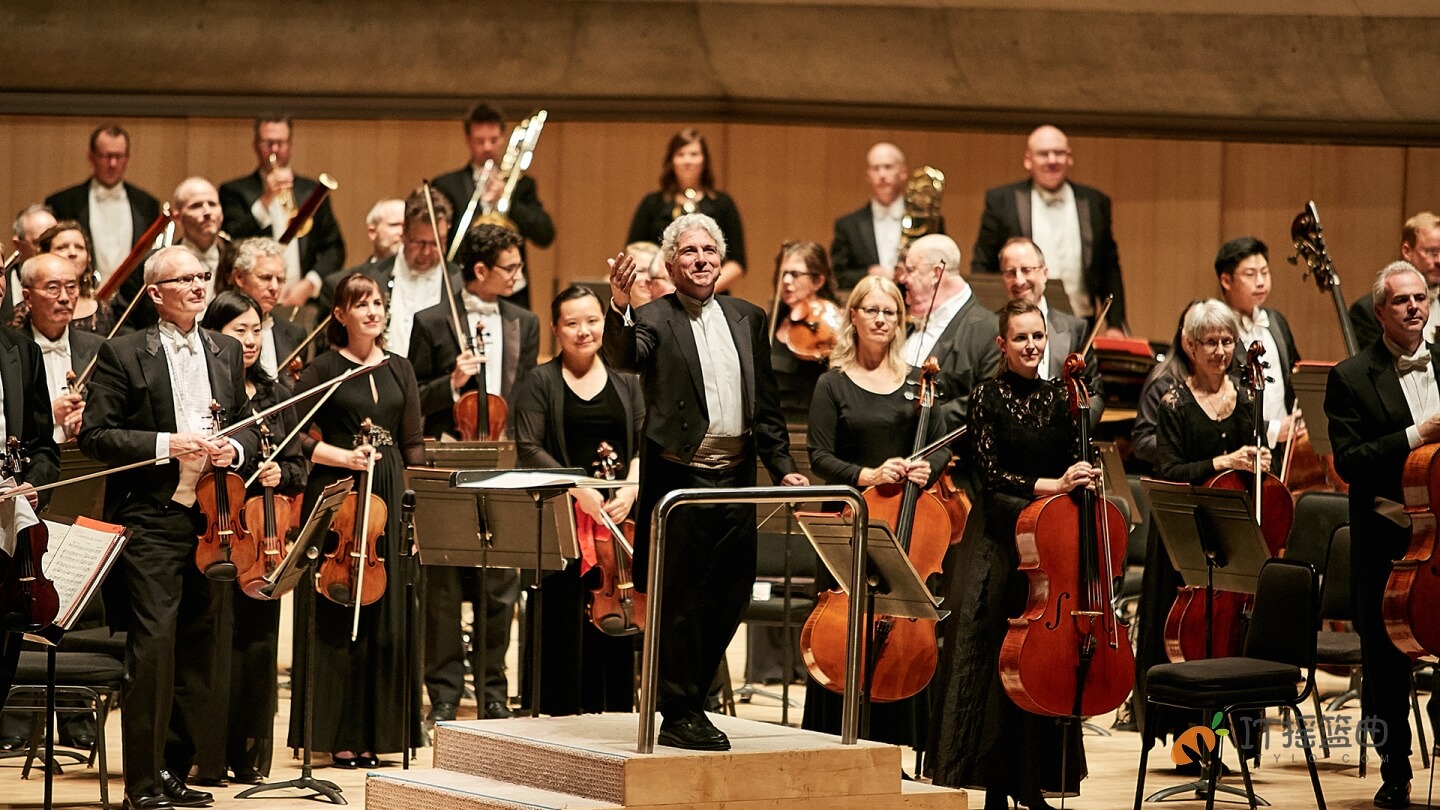
In some introductory materials about classical music, we are often troubled by "this song and that song". What symphonies, sonatas, marches, concertos, etc. are confusing. Today, I will show you what variations, concertos, symphonies, and sonatas are and what the differences are between them.
Variations, concertos, symphonies, and sonatas are types of music, which are different genres of music. Just like literary works are divided into novels, poems, prose and other different styles according to different genres. There is no distinction between them in terms of musicality. They are more different in performance form, music structure, music style and other specific expression styles.
Classical music has four very important stages of development: Renaissance, Baroque, Classicism, and Romanticism. Sonata is the earliest type of music that appeared. As early as the 16th century, the concept of "sonata" existed in the music industry. However, it was not a genre at that time. It was just used to refer to instrumental music in general, which is different from vocal music. With the emergence and popularity of the piano in the mid-18th century, the piano replaced string music, and new types of music such as variations, concertos, symphonies, etc. gradually appeared.
Music genres can be divided into vocal music genres and instrumental music genres.
1. Vocal music: As the name suggests, it is vocal music, including the long-established masses, cantatas, oratorios, as well as familiar music genres such as operas, musicals, art songs, etc. that are dominated by the human voice. I will not go into detail here.
2. Instrumental music: means playing instrumental music. In this article, variations, concertos, symphonies, sonatas and marches, etc. belong to instrumental music.
1 Symphony
A symphony is performed by a symphony orchestra, and a symphony defined by music academia should be a purely instrumental ensemble work that does not include vocal singing.
Haydn is known as the "Father of the Symphony". Starting from Haydn, the artistic characteristics of the symphony gradually became apparent, and began to incorporate the composer's creative concepts and musical personality. More importantly, Haydn established the standardized form of four movements of the symphony and helped the symphony develop towards rich and diverse themes.
2 Sonata (Sonata)
It usually consists of a solo instrument or an ensemble of an instrument and piano. Sonatas, like symphonies, often have three to four movements.
Mozart and Beethoven developed this theme to the extreme and created many exquisite musical works. After that, the sonata made slight adjustments as the times evolved. For example, some composers only wrote a single movement, and some even wrote five movements.
3 Concerto
An ensemble with one main instrument and orchestra, such as piano concerto, violin concerto, etc. There are usually three movements, namely Allegro, Adagio and Allegro.
The three types of music: symphony, sonata, and concerto all have relatively clearly defined performance forms: for example, a symphony must be performed by a large symphony orchestra; a sonata has only one or two instruments; and a concerto is generally a combination of solo instrument + orchestra.
4 Variation
It mainly refers to the structure of the music, which consists of a theme and several variations, and the mood becomes increasingly intense.
The definition of variations is significantly different from symphony, sonata, and concerto. The latter three are mainly named according to the performance form, while variations are named according to the structure of the music itself.
Variations change a musical theme with a complete structure, changing its rhythm, melody, harmony, tonality, orchestration, etc. Unlike other genres, when writing variations, you don't have to be original, but you can use other people's music to create variations. For example, when Mozart composed "Little Star Variations", the theme was an old European folk song, and his creation gave this melody a whole new life.
Attachment: March
Marches are divided and defined according to their functions and uses. The original purpose was a musical form used to accompany soldiers as they marched in an orderly manner. Marches usually have simple, distinct and powerful rhythms and neat and regular phrases. The familiar "March of the Volunteers" belongs to this type of music.
In addition, there are also Fantasie (Fantansie) created based on the composer's free imagination; Rhapsody (Rhapsody) with narrative, heroic, and national colors; long and dramatic ballad (Ballade), and so on.
Marches, fantasies, rhapsody, ballads, etc. are the divisions of classical music from other dimensions, and this article will not introduce them further.
This article was moved from WordPress to MkDocs